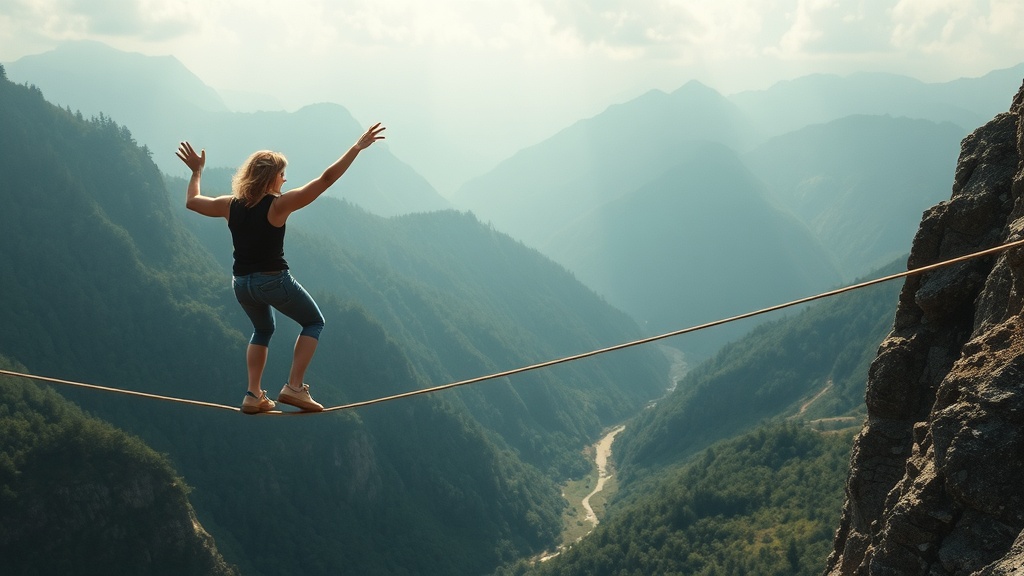
Seven Slacklining Tendencies Holding Back Your Flow

The Subtle Habits Eroding Your Slacklining Progress
Imagine this: you've been putting in the hours, consistently stepping onto the line, yet your balance feels…stagnant. You might be able to stand, perhaps even take a few steps, but that fluid, effortless movement you envision seems perpetually out of reach. Often, the roadblock isn't a lack of practice but rather an accumulation of subtle, often unconscious habits that, over time, hinder true skill acquisition. This guide pinpoints seven common tendencies that can unknowingly impede your slacklining progress, offering clear, actionable strategies to break free and cultivate a more dynamic, responsive connection with the line.
Are Your Warm-Ups Doing Enough?
One of the most frequently overlooked — and detrimental — habits is rushing onto the line with insufficient preparation. Your body isn't just a collection of muscles; it's an intricate network of proprioceptors and neural pathways that need to be awakened and primed. Skipping a proper warm-up means your nervous system isn't optimally cued in, leaving your joints stiff and your balance sensors sluggish. This doesn't just make balancing harder; it dramatically increases your susceptibility to strains, sprains, and other injuries.
Instead of a quick stretch, dedicate 5-10 minutes to a dynamic warm-up. Think joint rotations for ankles, knees, and hips; gentle leg swings; torso twists; and arm circles. Focus on movements that mimic the demands of slacklining, gradually increasing your range of motion and activating those crucial stabilization muscles. This ritual signals to your body, "It's time to be alert and responsive." A well-prepared body is a resilient body, ready to learn and adapt. For further reading on the benefits of dynamic preparation, consider resources like this