How to Improve Your Slacklining Skills: Tips and Training Methods

Introduction
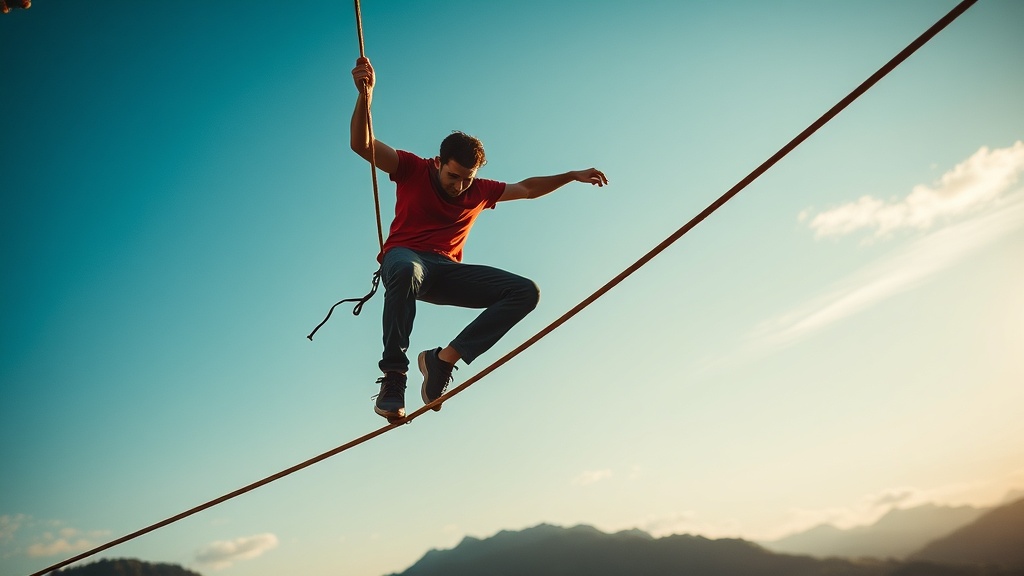
Slacklining is a thrilling and challenging sport that requires a unique blend of balance, strength, and focus. Whether you're a beginner or an experienced slackliner, there's always room to improve. In this article, we'll discuss effective training methods, tips, and techniques that will help you take your slacklining skills to the next level.
1. Start with the Basics
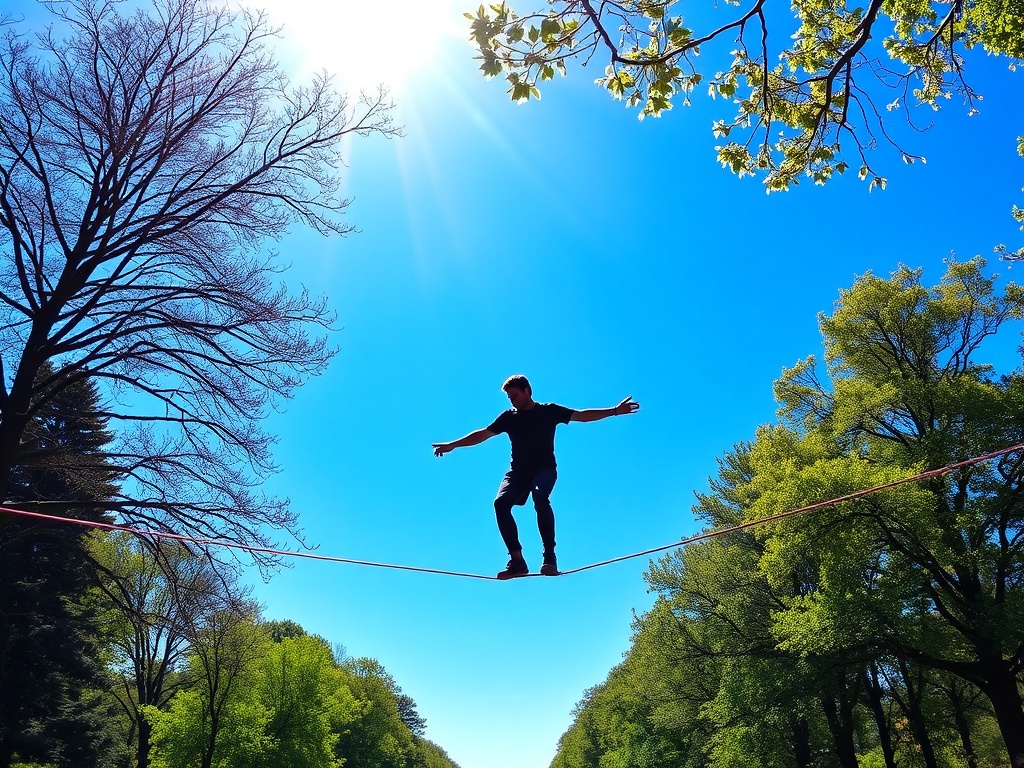
If you're just starting out with slacklining, it's important to first focus on the basics. Start by practicing on a low slackline close to the ground to build your confidence and balance. Make sure your line is tight, but not overly tight, as this will allow you to move with it.
Begin with simple balancing exercises, such as standing still on the slackline. Hold onto a support like a tree or a friend until you get the hang of it. As you improve, gradually try to take your hands off the support and balance on your own.
2. Strength and Flexibility Training
Slacklining requires a combination of strength, flexibility, and coordination. Incorporating strength and flexibility training into your workout routine will help you improve your slacklining skills.
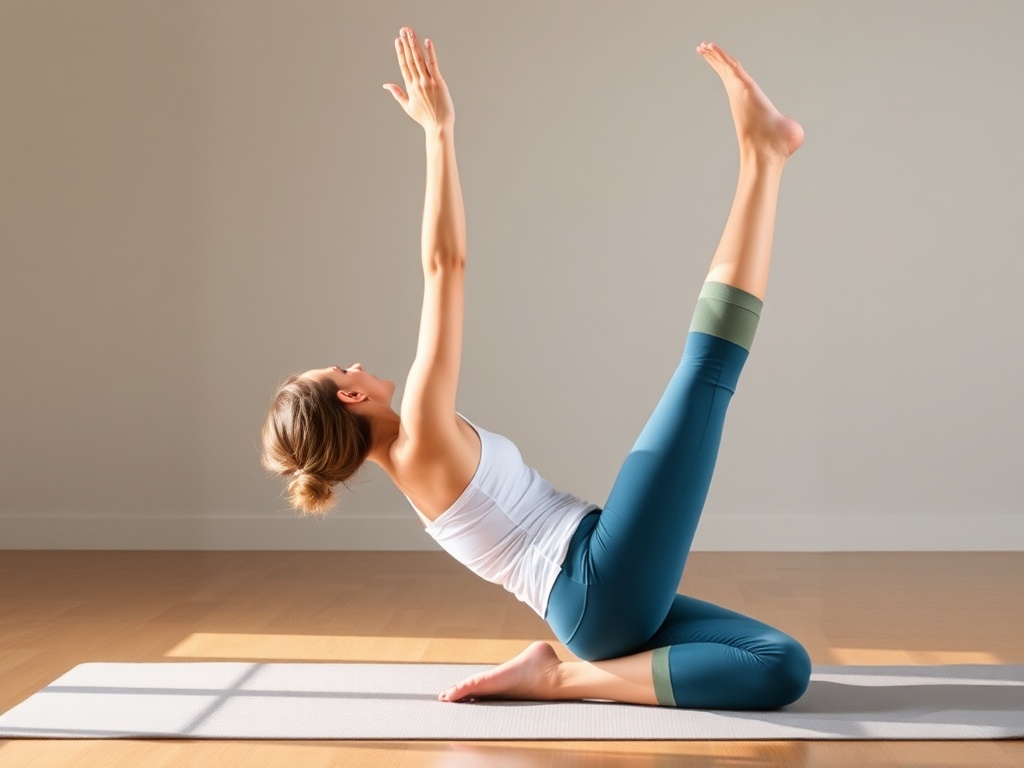
Focus on exercises that strengthen your core, legs, and ankles, as these areas are crucial for maintaining balance on the slackline. Planks, squats, lunges, and calf raises are excellent exercises to incorporate into your training regimen. Additionally, yoga and stretching exercises will improve your flexibility and help prevent injuries.
3. Improve Your Focus and Mental Toughness
Slacklining is as much a mental challenge as it is a physical one. Developing mental focus and toughness is key to progressing in the sport. One way to improve your focus is by practicing mindfulness. Before stepping onto the slackline, take a few deep breaths and clear your mind. Concentrate on your breathing and the sensation of the slackline beneath your feet.
Visualization techniques can also help. Before attempting a difficult trick or long balance, visualize yourself successfully completing it. The power of positive thinking and mental rehearsal can have a significant impact on your performance.
4. Gradually Increase the Difficulty
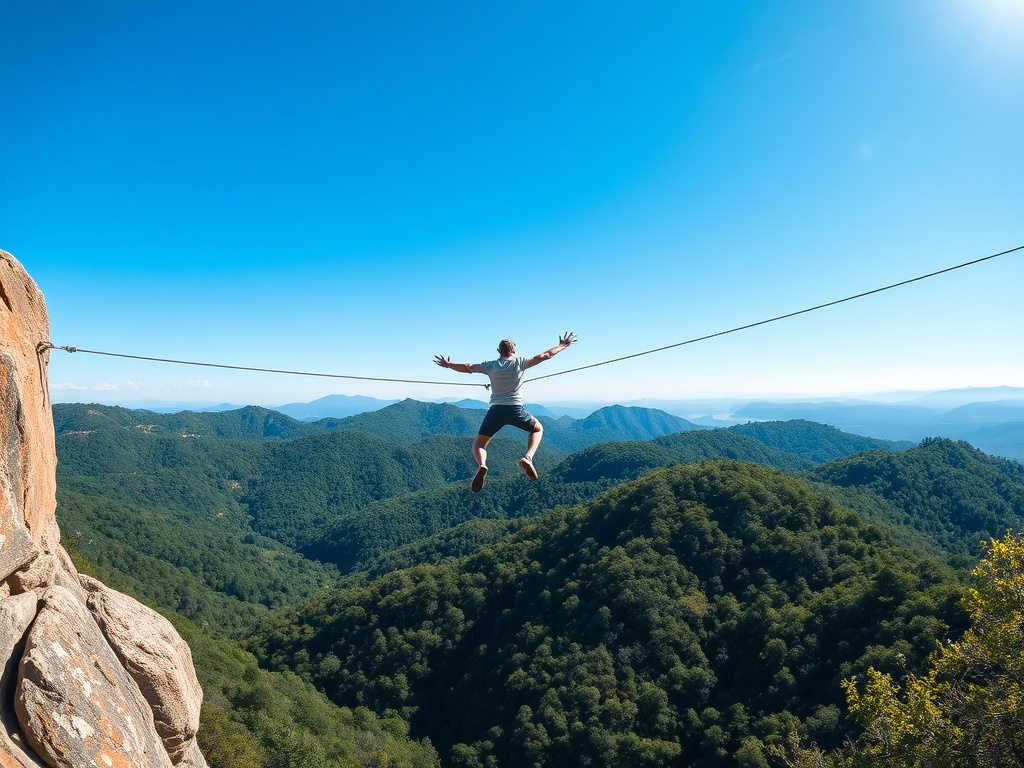
As you gain more confidence and skill, gradually increase the difficulty of your slacklining practice. This could mean moving to higher slacklines, trying out tricks, or balancing for longer periods of time. However, make sure you progress at your own pace and never rush the learning process. It's important to be patient and allow your body to adapt to the challenges of the sport.
5. Join a Slacklining Community
Slacklining is a social sport, and joining a community can provide valuable support and motivation. Many cities have slacklining groups that meet regularly in parks or other outdoor locations. These groups can offer advice, encouragement, and camaraderie, which will help you stay motivated and improve your skills faster.
By interacting with other slackliners, you'll also be able to learn new techniques, share experiences, and stay up-to-date with the latest trends in the sport.
Conclusion
Improving your slacklining skills takes time, dedication, and patience. By starting with the basics, incorporating strength and flexibility training, improving your mental focus, gradually increasing the difficulty, and joining a slacklining community, you'll be well on your way to becoming a better slackliner. Keep practicing, stay positive, and most importantly, enjoy the process!