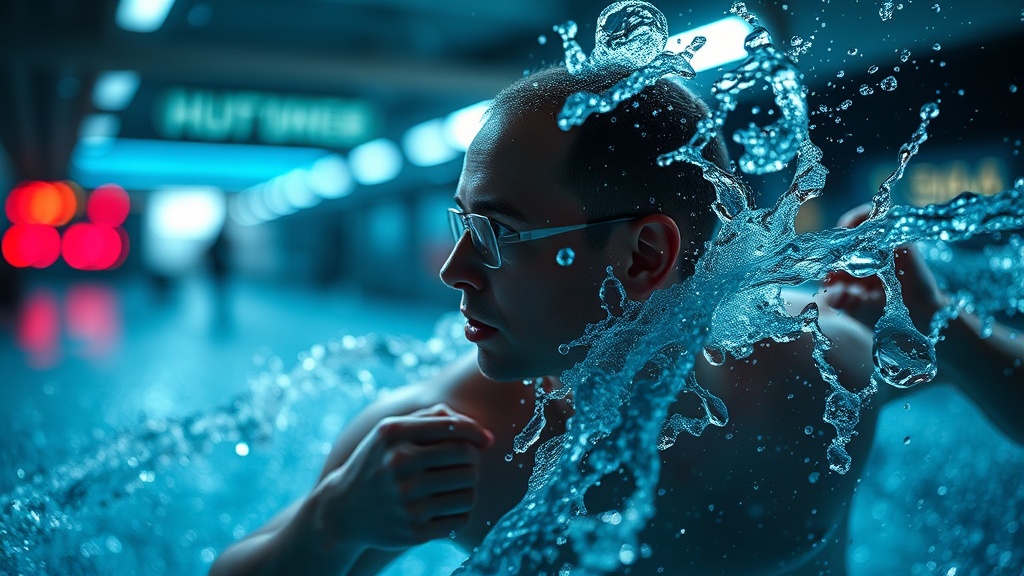
Hydrate for Nerve Velocity

Quick Tip
Maintain electrolyte-rich hydration to ensure your nervous system sends signals at peak speed.
A single drop of sweat hits the hot sand, and suddenly, your reaction time feels sluggish. You're mid-movement on a highline, and that split-second adjustment your brain usually handles becomes a heavy, slow struggle. This post explains how hydration directly dictates your nerve velocity and why water intake is a physical requirement for technical precision.
Why does hydration affect reaction time?
Hydration levels directly influence the speed at which your nervous system sends signals to your muscles. When you are even slightly dehydrated, your blood volume drops and your electrolyte balance shifts—this slows down the electrical-chemical signals required for rapid-fire adjustments. If your neurons aren't firing at full capacity, you'll lose that "snap" in your movements.
Think about it. When you're working on a technical line, you aren't just using muscle; you're using your brain to process balance. If your brain is running on low fluids, your ability to listen to your proprioception goes out the window. You become a step behind the line.
What are the best electrolytes for nerve function?
Sodium, potassium, and magnesium are the primary electrolytes required to maintain neural signaling. While plain water is fine for a casual walk, high-intensity sessions demand more. You need to replace what you lose through sweat to keep your nervous system stable.
I usually reach for a Liquid I.V. packet or a Nuun tablet when the heat hits. These provide a more targeted approach than just drinking a gallon of tap water. Here is a quick breakdown of what each does for your body:
- Sodium: Helps retain fluid and maintains electrical gradients across cell membranes.
- Potassium: Essential for muscle contraction and preventing that shaky, jittery feeling.
- Magnesium: Supports nerve-to-muscle communication and prevents cramping.
Don't forget that magnesium is often depleted during intense physical exertion (and it's a common culprit for late-night leg cramps). It's worth noting that even a small deficit can make you feel "foggy" mid-session.
How much water should I drink during training?
The amount of water you need depends on your sweat rate, body weight, and the ambient temperature. A good rule of thumb is to drink roughly 16 to 24 ounces of fluid for every pound of body weight lost during exercise, but that's hard to track in the field. Instead, focus on the color of your urine—it's the easiest metric we have. If it's dark, you're already behind the curve.
For most athletes, a steady drip of fluids throughout the day is better than chugging a liter right before a session. You want to be hydrated before you step onto the line, not just when you feel thirsty. If you wait until you're thirsty, your nerve velocity has already taken a hit.
For more detailed biological data on fluid-electrolyte balance, you can check the CDC guidelines on hydration or look into the research provided by the Wikipedia entry on electrolytes.