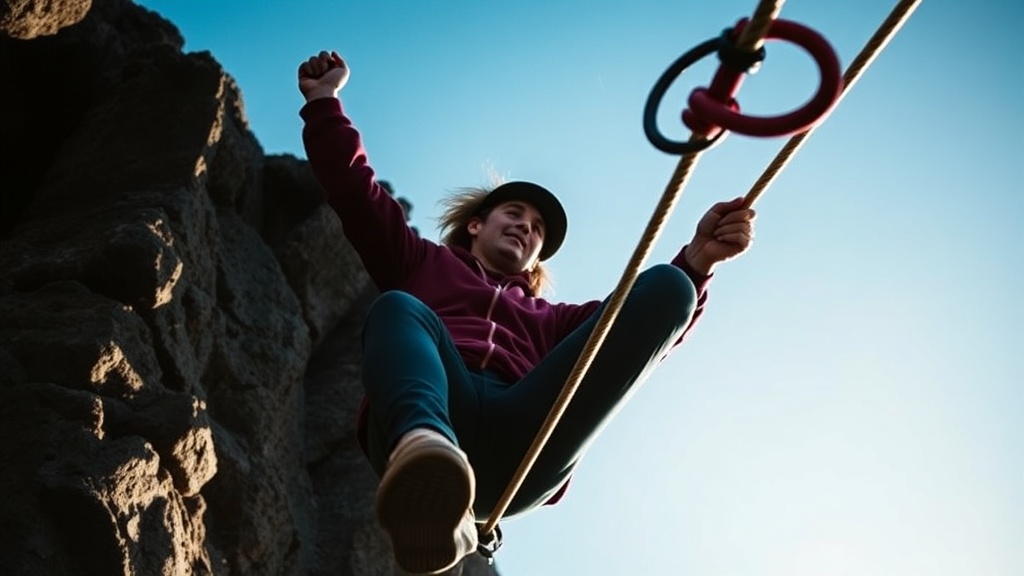
How to Slackline: A Complete Beginner's Guide to Your First Steps

Slacklining looks simple enough—walk across a flat webbing suspended between two anchor points, right? Not quite. Getting started the right way means understanding gear, setup, body mechanics, and progression. This guide walks through everything needed to go from zero experience to confidently walking that first 15-foot line without endless frustration (or unnecessary injuries). Whether the goal is building core strength, improving balance for other sports, or simply trying something new outdoors, here's the complete roadmap.
What Equipment Do You Need to Start Slacklining?
The short answer: a beginner-friendly slackline kit, two sturdy anchor points, and patience. Here's what separates a smooth first session from a frustrating afternoon of tangled webbing.
The slackline itself comes in three main flavors. Tricklines are wide (2 inches), bouncy, and built for jumps and flips—terrible for beginners. Longlines stretch 100+ feet and require advanced rigging knowledge. Beginner lines (often called "classic" or "jib" lines) sit in the 1-2 inch width range with low stretch, offering stability without the trampoline effect.
The ratchet system matters more than most first-timers realize. Cheap hardware slips, rusts, or—worst case—fails under tension. Quality kits from Gibbon Slacklines or Balance Community include forged steel ratchets with safety locks. The Gibbon Classic Line ($79-99) remains the go-to starter kit, including 49 feet of webbing, tree protection, and a ratchet rated for 3 tons.
Tree protection isn't optional—it's how access gets preserved at parks nationwide. Blankets, carpet scraps, or dedicated tree slings (like the REI Co-op Tree Protection set) prevent bark damage that can kill mature trees. Always use them, even on "your" trees.
Shoes or barefoot? Barefoot provides better feel and foot engagement. That said, tennis shoes work fine for learning—just avoid thick-soled running shoes that numb feedback. The line tells you a lot through the soles of your feet.
| Gear Item | Budget Option | Quality Pick | Why It Matters |
|---|---|---|---|
| Slackline Kit | Trailblaze Slackline Set ($45) | Gibbon Classic Line ($89) | Tension consistency, safety ratings |
| Tree Protection | Old towels/blankets ($0) | SpanSet Tree Slings ($25) | Prevents access restrictions |
| Anchor Height | 2 feet (easier mounting) | 3 feet (better practice) | Knee height for starters |
| Line Length | 15-20 feet | 25-30 feet | Shorter = less wobble |
How Do You Set Up a Slackline Properly?
Start with two healthy, mature trees (12+ inches diameter), approximately 15-25 feet apart, with clear ground beneath. Here's the thing—setup technique affects walking difficulty more than most beginners realize.
Step 1: Wrap tree protection completely around each trunk at roughly knee height. The webbing and ratchet hardware never touch bark directly.
Step 2: Attach the static end (usually a sewn loop with carabiner) around Tree A's protection. Keep the webbing flat—twists create uneven tension and weird bouncing.
Step 3: Thread the ratchet. Feed the loose webbing through the ratchet drum, pull hand-tight, then crank 3-5 full rotations. The line should feel tight but not guitar-string tight—there's actually a sweet spot where the webbing has slight give.
The catch? Over-tensioning creates a trampoline that throws off balance. Under-tensioning creates excessive sag. For a 20-foot line, aim for about 6-8 inches of sag when standing in the middle. Test by pressing down with one hand—firm resistance, not hard as steel.
Height matters. Set the line 2-3 feet high. Too low and mounting becomes awkward. Too high and falls get sketchy. Knee height lets you step on easily while keeping falls manageable.
Before stepping on, test the setup. Shake the line moderately—anchors shouldn't shift. Check both ratchet locks are engaged. Look for webbing damage (fraying, cuts, sun bleaching). A two-minute inspection prevents bad surprises.
What's the Proper Technique for Walking Your First Slackline?
Mount sideways, eyes fixed on the anchor point ahead, arms out like wings, and take small, deliberate steps. That's the technical answer—execution takes practice.
The mount: Stand beside the line, not behind it. Place one foot perpendicular across the webbing (not angled). Use a nearby tree, friend, or trekking pole for hand support initially. Push up smoothly—jerky movements amplify wobble.
Body position: Feet shoulder-width apart (when possible), knees slightly soft, hips stacked over ankles. The natural tendency is to lean forward or backward—resist it. Keep the spine vertical, core lightly engaged. Think "standing tall" rather than "balancing."
Here's the thing about arm positioning—they're your counterbalance. Keep them wide, shoulders relaxed, hands at waist to chest height. Flailing creates instability. Small, controlled adjustments work better than big windmilling motions.
Where to look: Not down at your feet. Not at the far anchor. Pick a fixed point at eye level roughly 10 feet ahead. The visual reference stabilizes the vestibular system. Looking down triggers motion sickness in some beginners and definitely hurts balance.
Step technique: Small steps—6-8 inches. Place the foot flat, don't slide it. Weight transfers smoothly from back foot to front foot, never pausing with weight on both (that's when wobble compounds). The line moves under you—that's normal. You compensate with micro-adjustments, not macro-corrections.
Falls happen. Step off deliberately when losing control rather than flailing and falling awkwardly. After a hundred controlled step-offs, actual falls become rare.
Common Beginner Mistakes
- Gripping with toes. Relaxed feet sense the line better. Clenched toes fatigue fast and reduce sensitivity.
- Holding breath. Steady nasal breathing calms the nervous system. Exhale during difficult moments.
- Overcorrecting. Tiny hip shifts fix small imbalances. Big arm swings usually make things worse.
- Wrong line length. Starting at 50 feet guarantees frustration. Master 15 feet first.
- Practicing tired. Balance degrades significantly when fatigued. Twenty focused minutes beats an hour of sloppy attempts.
How Long Does It Take to Learn Slacklining?
Most people take their first unassisted steps within 1-3 sessions. Walking the full line consistently usually requires 5-10 sessions over 2-3 weeks. The progression curve steepens quickly with deliberate practice.
Session 1: Focus on mounting confidently and standing still for 10-30 seconds. Don't worry about walking. Feel the line's movement. Get comfortable with controlled dismounts.
Sessions 2-3: Attempt 3-5 step sequences. The goal isn't crossing—it's maintaining composure through micro-adjustments. Rest between attempts. Quality over quantity.
Sessions 4-6: Link steps into continuous walking. Many beginners experience a "click" moment where balance suddenly feels intuitive. The nervous system adapts remarkably fast with consistent stimulus.
Worth noting: athletic background helps but isn't required. Surfers, climbers, and dancers often progress faster due to proprioceptive training. That said, complete novices frequently outperform "athletes" who fight the line rather than flow with it. Ego slows progression.
Training frequency: Three 20-minute sessions weekly beats one marathon session. The nervous system consolidates motor patterns during rest days. Daily practice works too if sessions stay short and focused.
Progression Milestones
- Static stand: 30 seconds without stepping off
- Four steps: Consistently, both directions
- Full line walk: Without touching down
- Turnarounds: Walking out, turning, walking back
- Start walking: Mounting and immediately walking (no static setup)
- Walking backwards: The ultimate beginner milestone
Each milestone typically takes 1-2 weeks of regular practice. There's no rush—slacklining rewards patience more than intensity.
Where Should Beginners Practice Slacklining?
Parks with mature hardwood trees offer the best beginner environment. Look for flat grass (falls hurt less), shade (webbing gets hot in sun), and legal access (some parks require permits).
Nashville locals have excellent options: Centennial Park's tree clusters near the Parthenon replica offer perfect 20-foot spans with soft grass landings. Sevier Park in the 12 South neighborhood provides quieter practice space with mature oaks. Warner Parks' Picnic Area 2 has dedicated slacklining trees (locals know the spot—ask around).
Beach slacklining (between posts or driftwood) looks cool in videos but frustrates beginners—uneven sand, wind, and unstable anchors create unnecessary difficulty. Learn on solid ground first.
Indoor options exist too. Rock climbing gyms increasingly offer slackline areas. The Crag in Nashville has dedicated lines rigged overhead with padded flooring. Climate control and soft landings remove weather excuses.
"Start on grass, progress to harder surfaces, and only then consider waterlines or highlines. The injury risk scales dramatically with environment difficulty." — Slackline US Safety Guidelines
Respect the space. Don't rig across walking paths. Don't leave gear unattended. Pack out everything. Access depends on the community representing the sport well.
What Muscles Does Slacklining Work?
Everything from the toes up. The obvious beneficiaries are the feet and ankles—hundreds of tiny stabilizer muscles activate continuously to process feedback from the vibrating webbing. These muscles atrophy in modern life (structured shoes, flat floors) and reawaken during slacklining.
Core engagement happens automatically. To stay vertical atop a moving line, the deep core stabilizers—transverse abdominis, obliques, spinal erectors—fire constantly. It's functional core training disguised as play. No crunches required.
The hips and glutes work overtime making micro-adjustments. Adductors squeeze to prevent legs from splaying. Quads stabilize the knee joint. After a solid session, beginners often feel surprising soreness in muscles they didn't know existed.
Here's the thing about neuromuscular benefits: they transfer. Rock climbers report better foot placement. Surfers improve board control. Skiers feel more balanced on variable terrain. Even older adults see fall-risk reduction from enhanced proprioception.
The cardiovascular aspect? Minimal at beginner levels. But advanced slacklining (longlines, tricklines, highlines) absolutely improves heart rate. Start where you are—strength builds progressively.
Grab a Gibbon kit, find two trees, and take that first wobbly step. The line teaches patience, humility, and eventually—balance that transfers to every movement practice in life.
Steps
- 1
Choose and Set Up Your First Slackline Kit
- 2
Master the Basic Mounting Stance and Posture
- 3
Practice Static Balance and Your First Steps