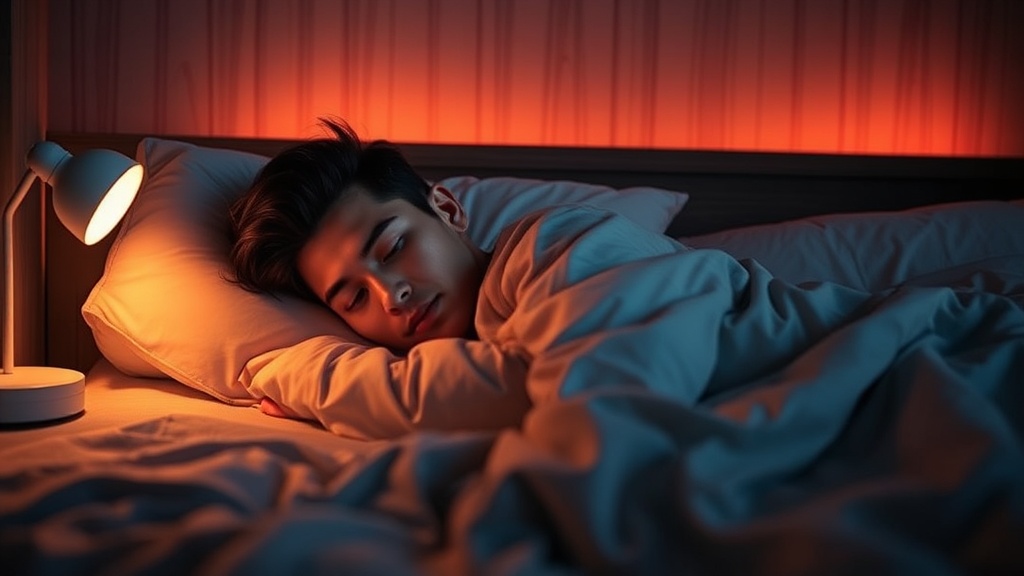
Fix Your Sleep Hygiene for Better Reflexes

Quick Tip
Consistent sleep schedules improve neurological processing speed and reaction-based decision making.
Most athletes think better reflexes come from faster drills or more caffeine. They're wrong. If your sleep hygiene is trash, your reaction time will suffer regardless of how many reps you put in. This post looks at how your sleep environment directly impacts your neurological speed—which is a big deal if you're balancing on a line or hitting a technical descent.
How does sleep affect reaction time?
Sleep deprivation directly slows down your central nervous system's ability to process sensory input and execute movement. When you're sleep-deprived, the communication between your brain and your muscles lags. This isn't just about feeling tired; it's about a physical delay in your ability to react to a sudden shift in balance or a change in terrain.
Think about it. If you're mid-air or mid-line and your balance shifts, your brain needs to make a split-second correction. If you haven't had enough deep sleep, that correction comes a millisecond too late. That's the difference between a clean recovery and a wipeout.
What are the best tools for better sleep?
The best tools for better sleep are consistent environmental controls like temperature regulation and light management. You don't need a fancy setup, but a few specific changes can make a massive difference in how much REM sleep you actually get.
Here are three things that actually work:
- Temperature: Keep your room cool. The science of sleep hygiene suggests a cooler environment helps trigger the body's natural sleep cycle.
- Light: Use blackout curtains or a high-quality eye mask. Even a tiny LED from a charger can disrupt your circadian rhythm.
- Sound: If you live in a noisy part of Nashville, a white noise machine or high-quality earplugs are non-negotiable.
I personally use a Casper mattress and a heavy weighted blanket to keep my nervous system from staying "on" throughout the night. It helps shut down the mental chatter after a long day of training.
How much sleep do athletes need?
Most high-performance athletes require between 7 and 9 hours of sleep to maintain peak cognitive and physical function. For those of us in extreme sports, even an hour less can noticeably degrade proprioception—your body's ability to sense its position in space.
| Sleep State | Impact on Reflexes | Recommended Duration |
|---|---|---|
| Optimal | Fastest neural processing | 7–9 Hours |
| Mild Deprivation | Slight lag in reaction | 6 Hours |
| Severe Deprivation | High risk of error/injury | < 5 Hours |
Don't underestimate the cost of a bad night. One night of poor sleep can make your coordination feel like you're moving through molasses (which is the last thing you want when you're high up on a slackline).
If you're serious about your reaction speed, stop looking at your training schedule and start looking at your bedtime. It's the most effective way to ensure your nervous system is ready for the next challenge.